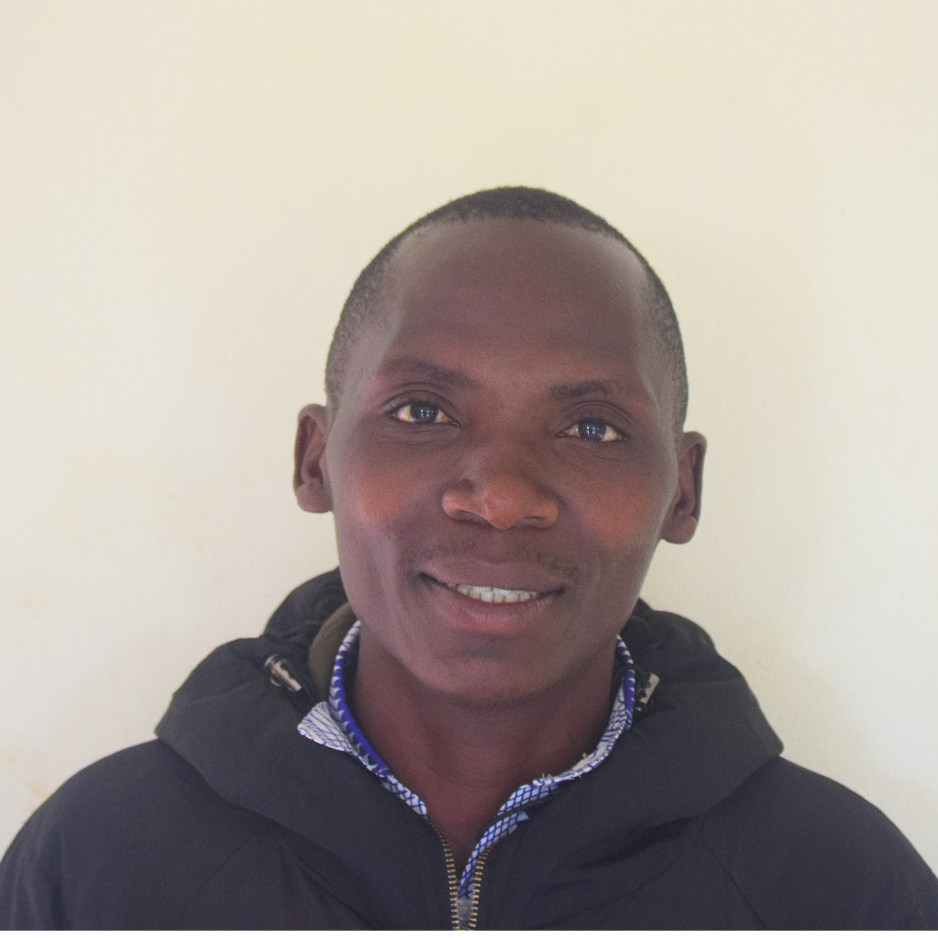
Paul’s Story
Pastor Paul was raised in a family that followed the Noah faith—a cult. By God’s grace, his life began to change when he encountered a neighbor who was devoted to prayer. This man was not a pastor, but he faithfully shared the gospel with him and led him to Christ. Through this, Pastor Paul gave his life to Jesus and began worshiping in a born-again church.
As he served under his pastor, he never imagined becoming a pastor himself. However, a serious crisis arose within the church. The pastor’s wife and children began raising concerns that the pastor himself was involved in witchcraft. Soon, some church members also claimed they had seen the pastor bring witchcraft practices into the church. Fear spread throughout the congregation. The pastor neither denied the accusations nor showed repentance. In a shocking turn of events, a witch doctor was invited—not by Pastor Paul, but in relation to the pastor’s actions—to “cleanse” the situation. On that day, the church was turned into a shrine as rituals and chants were performed.
The community was outraged. In anger, they began throwing stones at the church, and a mob eventually drove the pastor out of the area. The congregation scattered, each person fleeing for their safety. Pastor Paul was left deeply hurt, confused, and without leadership.
Months later, he felt a strong conviction to restart the church. However, the community had grown hostile—even the sound of prayer was unwelcome. One day, compelled by zeal for God’s house, he opened the church and began to pray aloud. Stones were thrown again—but he persisted.
Day after day, he continued. Slowly, people began returning—one by one. Today, the church is standing and growing again.
He is married to Carol, and together they have five children. Despite his faithfulness, he has never received any formal training or mentorship. When he heard about RPI, he recognized it as a life-changing opportunity. With an annual income of $400, other opportunities for formal pastoral training have been financially out of reach, making RPI’s tuition-free discipleship training especially meaningful.